Peace Efforts Low on Credibility
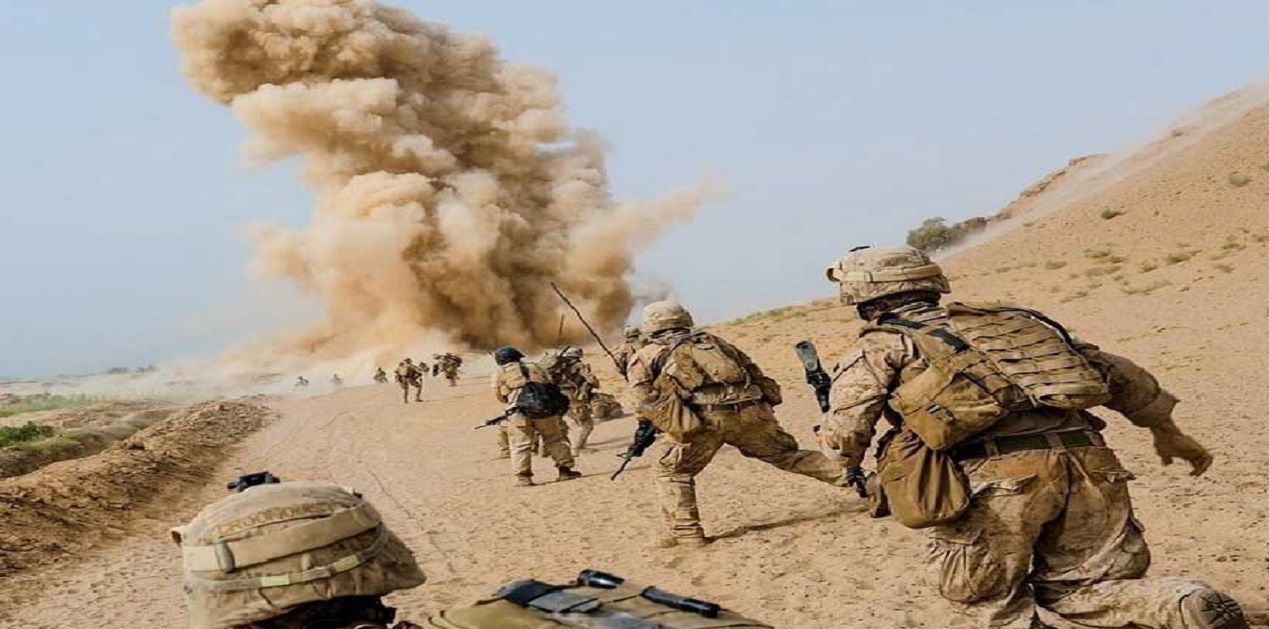
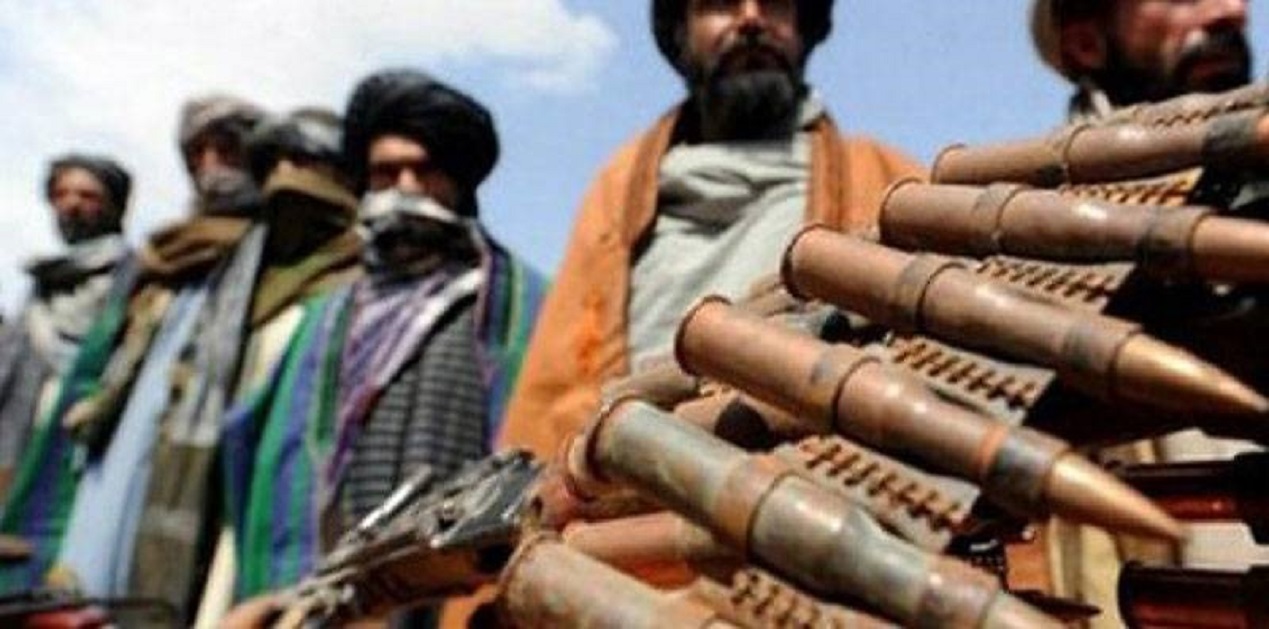
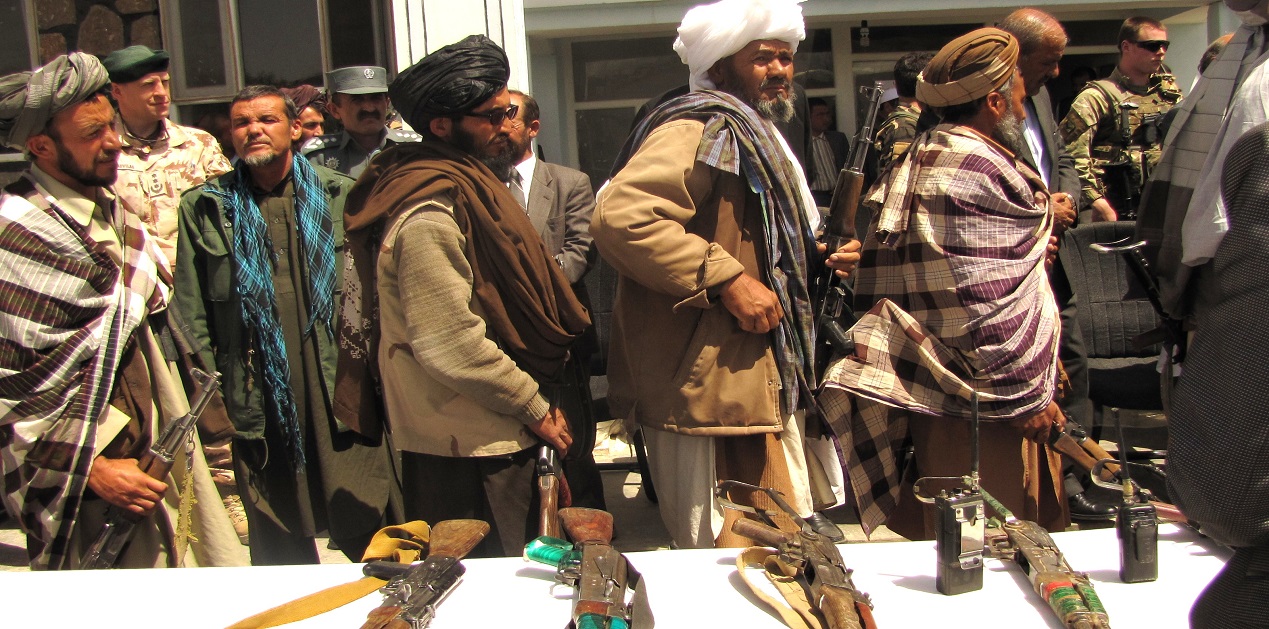
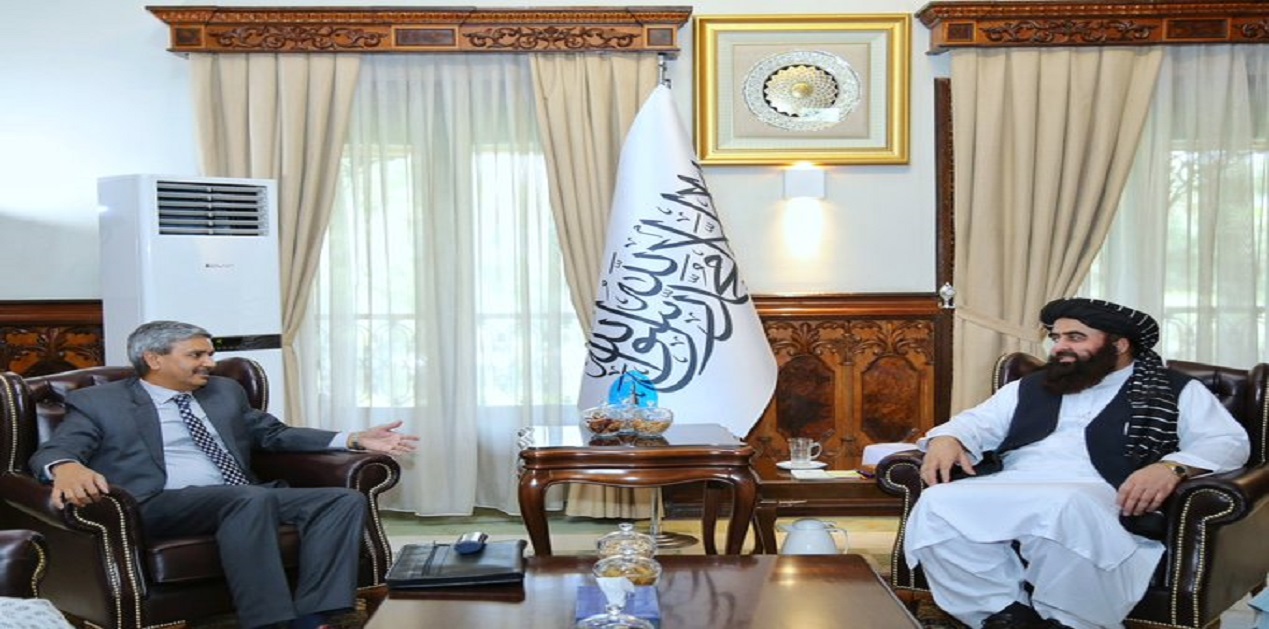
The announcement that the Taliban will be opening an office in Qatar should be a cause for some reflection. The US and its allies are politically exhausted and economically drained by the war in Afghanistan. They no longer seek a clear victory; they want to avoid the impression of defeat. The policy of “reconciliation” obfuscates the reality of their political and military failure in Afghanistan.
Pursue an Activist Policy, Reaching out to All Players
The US intent to draw down its forces from Afghanistan beginning July 2011 has been articulated on several occasions since President Barack Obama’s address at West Point on 1 December 2009. In this address he had justified the 30,000 US troop surge in Afghanistan, scheduled for the first half of 2010, on the grounds that it would allow the US to “begin the transfer” of its forces “out of Afghanistan in July of 2011”. He also dwelt upon the importance of capacity building in Afghanistan in order to enable a “responsible transition of US forces” out of the country.
The Darkness in Afghanistan
The West is describing the current situation in Afghanistan as one of transition. This assumes that the situation is moving from one state of things to another in a planned and controlled manner. It is clear that US and NATO want to reduce their military presence and commitment to Afghanistan. President Obama has announced a draw-down of US forces, limited in number this year, but bigger in scope next year.
Pak The Hurdle on Afghan Issue
India, on Pakistan’s insistence, was excluded from the International Conference on Afghanistan in Istanbul in January 2010. For the “Process on Regional Security and Cooperation for a Secure and Stable Afghanistan”, the second such conference held in Istanbul on November 2 this year, India got invited, signifying Turkish willingness to make amends for the earlier diplomatic snub administered to India, the reduced potency of Pakistani objections and, no doubt, more Afghan assertiveness in India’s favour, not to mention that of the US and other key western countries.
Stakeholders
Partners in Strategy - India has done well to Affirm its Stakes in Afghanistan
The strategic partnership agreement signed by India and Afghanistan on October 4 has aroused considerable diplomatic interest. How should India’s decision to politically escalate its ties with Afghanistan at this juncture be interpreted, and what could President Hamid Karzai’s calculations be?
Getting lost in Afghanistan
It’s 10 years of the ongoing war in Afghanistan. As the US-led NATO forces prepare the ground to throw in the towel, the situation in the region remains as critical as ever. And, it’s unlikely to change until the Pakistan problem is sorted out
Afghan Peace Move has Lost its Promise
The brutal assassination of the former Afghan President Burnahuddin Rabbani who was chairing the High Peace Council set up to bring about internal reconciliation in Afghanistan dramatises all that is wrong with the country’s present state and its future prospects.
The Emerging Situation in Afghanistan and Indo-Afghan Relations
The Indo-Afghan relations cannot but be seen in the context of the evolving situation in Afghanistan. Many regional and extra regional players have been involved in the Afghan imbroglio for over a decade and some for even over three decades. Intervention by the US and western forces in Afghanistan in the wake of 9/11 attacks was supposed to get rid of Taliban and Al Qaeda but it cannot be said that the western forces have been entirely successful in their mission.
India’s Options in Afghanistan
Geo-Political perceptions of Pakistan’s role in Afghanistan
Before one can dwell on India’s options in Afghanistan, it may be better to examine the Pakistan’s role in this country. The geo- political perceptions of Pakistan in Afghanistan should be examined in the light of Pakistan’s persistent effort for establishing a pliable and subservient regime in Afghanistan. It seems Pakistan has been advocating the necessity of strategic depth in Afghanistan to mask its territorial ambitious and its aim of expanding its strategic frontiers towards west and Central Asian regions.
India Accepting Taliban in Afghanistan?
India has clear strategic interests in Afghanistan but not a clear strategy to pursue them. An independent, sovereign Afghanistan, free of external interference would best serve India’s interests. So would an Afghanistan that is a transit hub between Central Asia and South Asia for shared regional prosperity. Can India bring this about practically? To benefit from such connectivity Afghanistan would have to stabilized under an India-friendly regime.