Things Fall Apart, the Centre Will Not Hold
In 1947, despite the fact that Britain was the imperial power and India was the Indian Empire of the British Sovereign, the British did leave behind certain legacies, certain institutions, which did provide us the framework of administration and which still forms the skeleton and the sinews of our republic. India was governed by laws and we are a society of laws.
Deciphering the UN Arms Trade Treaty
The UN Arms Trade Treaty passed by the UN General Assembly in first week of April was long in coming which meant that it would be well thought out and a comprehensive document with the opposing views of all the concerned nations having been taken into account. But that was not to be so. Like many other international treaties the affected nations like India were quite critical of the approved version of the Treaty.
Mining Concessions in Afghanistan Take Centre-Stage
Introduction
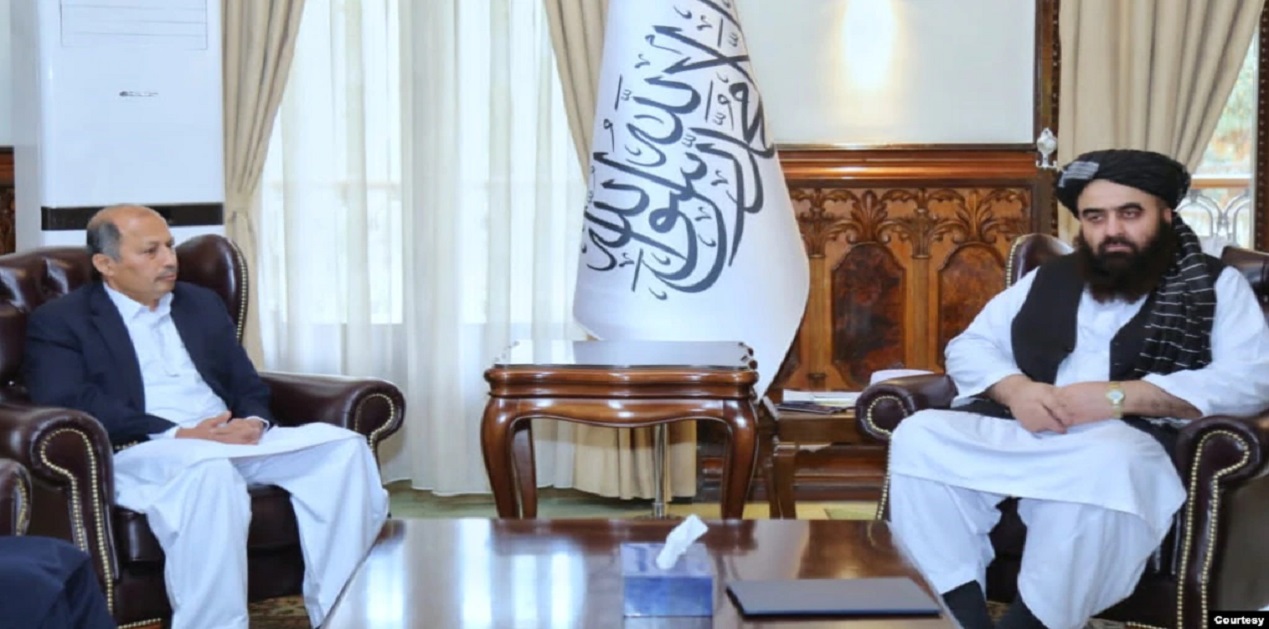
Afghan President Karzai during a visit to the Helmand province on 12 March continued, from the week before, his criticism of the US/NATO intentions in Afghanistan. He made a pointed reference to the US, claiming that it was ‘eyeing’ Afghan minerals and warned that Afghan government is aware of their intent. "Americans have asked Afghans to give them Afghanistan's mining contracts … from the start they have been doing their investigations and finishing their photography. But now they understand that we know about them".1
Don’t Deny BRICS its Relevance
Media commentary in India on the fifth BRICS Summit, held in South Africa on March 27th, has not been particularly positive. Attention has been drawn to the artificial character of this grouping originally thought up by Goldman Sachs, the conflicting interests of its constituents, the disparate nature of their political systems, the doubtful advantages to India of membership, and, now fears of Chinese domination of this ensemble because of its overwhelming economic and financial weight.
The Power to Pardon
The sovereign’s right to pardon an offender has always gone together with the concept of sovereignty and hand in hand with the sovereign’s power to punish. Before the Magna Carta the King ruled England through the Divine Right of Kings and all the powers of the State were centralised in him. The signing of the Magna Carta at Runnymede did not bring democracy to Britain, but it did lay down the principle that there is a limit to the sovereign’s power and that the feudatory aristocracy had both a share in power and could call the King to account.
Sanjay Dutt must be Wary of his Friends
Ever since the Supreme Court pronounced its verdict and sentenced actor Sanjay Dutt to five years rigorous imprisonment in the 1993 Bombay blasts case, a motley group of friends and so-called well-wishers of the actor have sprung to his defence and are pleading, cajoling and even demanding that his prison term be curtailed. Among those who are pleading on his behalf are Mr. Markandey Katju, Mr. Digvijay Singh, Ms. Jaya Bachchan and a host of friends from the cinema world.
Afghan Reconciliation – Karzai’s Leap of Faith
On 30 March, Afghan President Karzai leading a high-level delegation, left for Doha, Qatar to discuss bilateral ties, trade among other issues with the Qatari authorities. National Security Council advisor Rangin Spanta, High Peace Council (HPC) chairman Salahuddin Rabbani, were part of the officials accompanying Karzai on this trip.1
Need for A Collegium to Choose The Next CAG
Speaking on the role and functions of the Comptroller and Auditor General (CAG) of India in the Constituent Assembly on May 30, 1949, Dr. B.R. Ambedkar, Chairman of the Constitution Drafting Committee, said that this officer was “probably the most important officer in the Constitution of India” because he is the one man who is going to see that the expenses voted by Parliament are not exceeded or varied.
Supporting War Criminals - Is Bengal’s Liberal Space Shrinking?
Something unprecedented happened over the last week end (30th March) in Kolkata. Sixteen Islamic organizations came together at the Maidan, the second largest public ground in the city, in protest against the ongoing War Crimes Trial in Bangladesh, against the Shahbag sit in and in support of the Vice-President of the Jamaat-e-Islami Bangladesh, Delowar Hossein Sayeedi one of the prime accused in the 1971 genocide in Bangladesh.