The Pentagon Report and China’s Response
The release of Pentagon Report on China’s defense capability and its subsequent response from the PRC has become an annual ritual since year 2000. According to the National Defense Authorization Act of 2000, the Pentagon decided to publish such report for the first two decades of 21st century. For some unspecified reasons this year’s report titled Military and Security Developments Involving the People’s Republic of China 2010 was published about five months after the usual timing.
China’s Stake over Sea
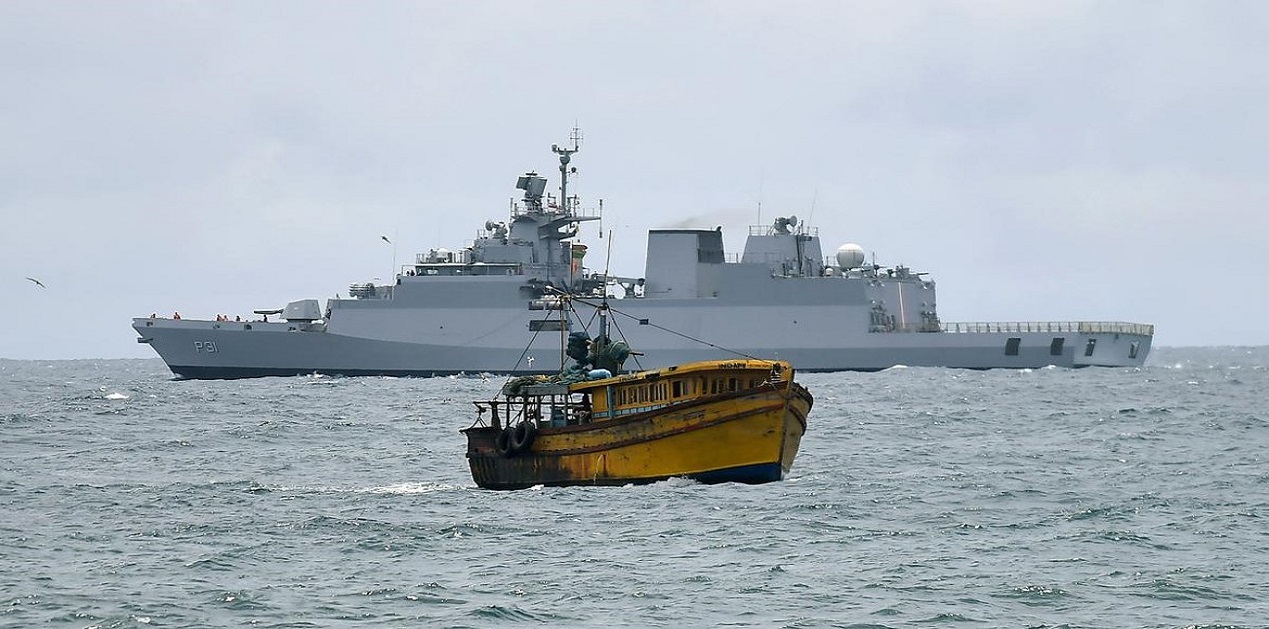
America’s decision of changing the venue of joint military maneuver with South Korea in Japan Sea last month in the face of Chinese pressure indicates the limit of balance-of-power dynamics practiced so far by the US and China. Does the reversal of an earlier plan of conducting joint military exercise in the Yellow Sea mark the decline of US dominance and permanency of Chinese strong hold in the region? Patterns of interaction between America and China are fabulously multidimensional and symbiotic.
State of Mind of the Chinese Nation
Knowledge plays a vital role in nation building and in controlling of society. From the last decade of nineteenth century to the May Fourth period, Chinese intellectuals of different backgrounds – reformists, revolutionaries, pragmatist thinkers, anarchists, and would-be communists engaged themselves in a debate to decide upon the suitable knowledge for nation building in China. They borrowed from both the Western as well as Chinese tradition for rescuing their country from the imperialist forces and making it a rich and militarily powerful nation (富国强兵).
China-Pakistan Railway Project
There were considerable enthusiasms in Pakistan prior to President Asif Ali Zardai’s visit to China which ended with much less triumph because the two main areas of negotiations, namely, civil nuclear energy cooperation and China-Pakistan railway links did not bring out the expected results. Any agreement on civil nuclear energy between the two countries, if signed in future, will not only affect India, but also damage China’s credibility with developed countries zealously safeguarding the status quo of the global nuclear non-proliferation regime.
Reflecting upon Urumqi Riot on its First Anniversary
Last year summer, the northwestern city of Urumqi experienced an unprecedented outburst of ethnic tension between the Han and the Uyghur communities. The riot popularly came to be known as “July 5th incident” (七五事件).
Pakistani President Asif Ali Zardari’s another Sojourn to China
Pakistani President Asif Ali Zardari’s frequent visits to China in his short stint of less than two years in power, throw considerable light on the bilateral relations between the two countries. China usually feels more comfortable in dealing with Pakistan when it is ruled by a military general. But as far as socializing with China is concerned, Zardari, who is going to make his fifth trip to China next week, seems to have surpassed his predecessor General Musharraf.
Climate Change = War?
Missed in the debate over climate change has been the strategic implications, says Rajeev Sharma. In Asia they could be catastrophic.
For all the heat generated by discussions of global warming in recent months, it is an often overlooked fact that climate change has the potential to create border disputes that in some cases could even provoke clashes between states. Throw into the mix three nuclear-armed nations with a history of disagreements, and the stakes of any conflict rise incalculably.